Melasma, Hormones, and Pregnancy: What Brown Skin Should Know
Medically reviewed by Revelle Med Spa Medical Director
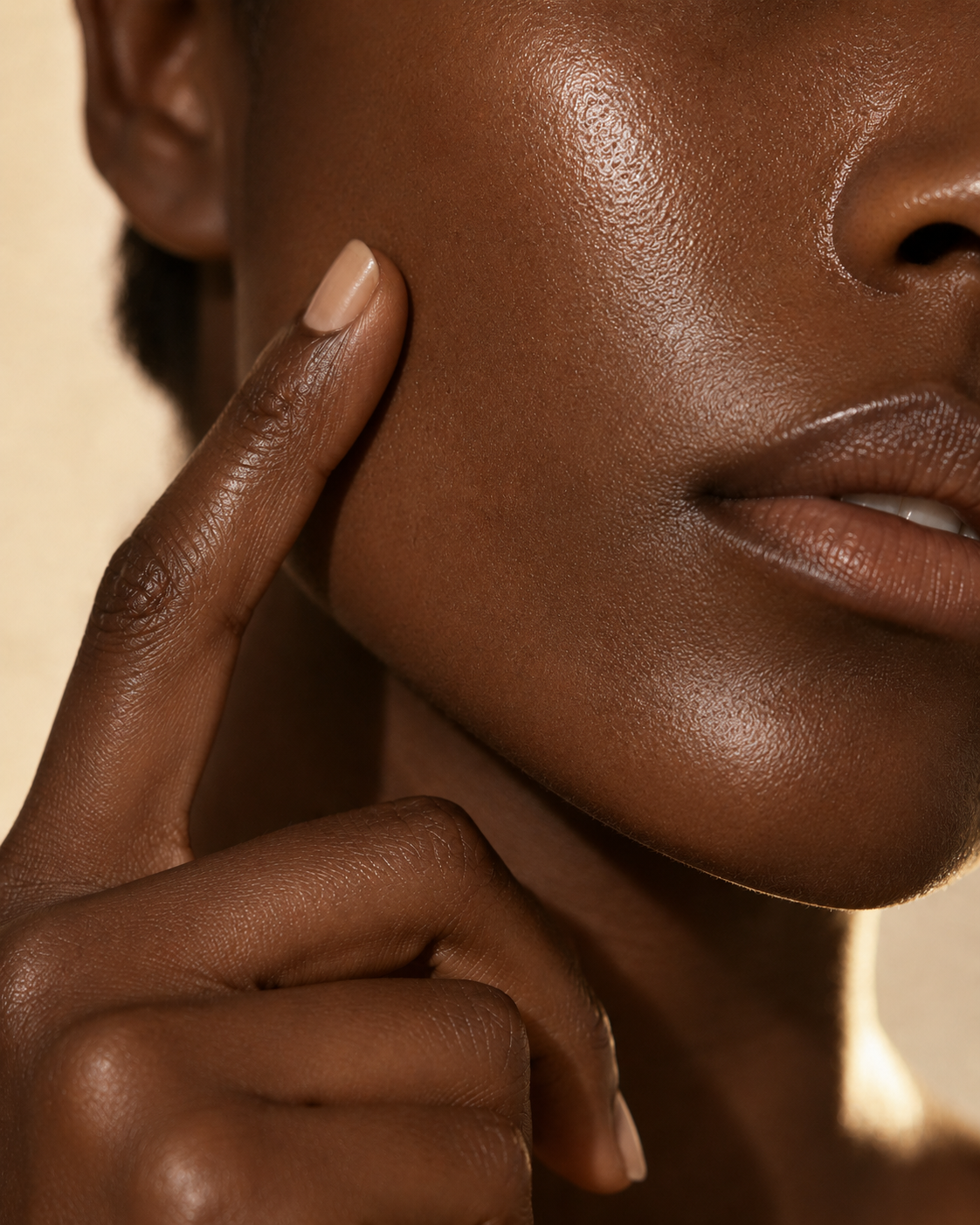
Somewhere in the second trimester, many women notice it. A faint shadow across the cheekbones, the upper lip, the forehead. Symmetrical, soft-edged, and stubborn. The old name for it is the mask of pregnancy. The clinical name is melasma, and brown skin wears it more than anyone else.
If this is you, or was you, this piece is for you.
Why hormones light the match
Melasma is pigment production gone oversensitive. Estrogen and progesterone make melanocytes, the cells that produce pigment, more reactive. Add sun, which is the accelerant, and the skin lays down patches of excess melanin in the places where those cells are most concentrated.
This is why melasma so often arrives with pregnancy, with starting or changing birth control, or with hormone therapy. And it is why melanin-rich skin, which already has more active pigment machinery, is far more prone to it. In South Asian women it is one of the most common skin concerns I see, and one of the most quietly distressing.
During pregnancy, the honest answer is patience
I will not dress this up. While you are pregnant or breastfeeding, the active treatments that move the needle on pigment are off the table. That is not me being conservative for the sake of it. It is the standard of care, and any clinic that offers you aggressive pigment treatment mid-pregnancy is telling you something about their judgment.
What you can do during pregnancy matters more than it sounds. Daily mineral sunscreen, every single morning, because sun is what feeds the mask. A wide-brimmed hat when you are outside for long. Gentle skincare, nothing harsh, nothing that inflames, because inflammation is another trigger. That is the whole list, and doing it faithfully is the difference between melasma that fades after delivery and melasma that digs in.
After, the real work can begin
For some women the mask fades on its own within months of delivery or stopping hormonal birth control. For many of us with deeper skin tones, it lingers and needs help.
That help looks like a patient, layered plan. Strict sun protection as the foundation, always. Evidence-based brightening ingredients, introduced properly and used consistently. Professional treatments chosen specifically for melanin-rich skin, because the wrong peel or the wrong laser setting does not just fail on melasma, it can make it worse.
And a truth most clinics will not say plainly: melasma is managed, not cured. Hormones and sun can wake it back up. The goal is skin that is clear, even, and easy to maintain, with a plan you can actually live with.
You do not have to figure this out alone
If you are pregnant and watching the mask appear, start the sunscreen habit today and be patient with yourself. If you are months or years past it and the patches never left, that is exactly the kind of skin story worth bringing to someone who treats it every week.
When you are ready, book a consultation and we will look at it properly, in good light, together.
Ready when you are.